
Introduction
Artificial intelligence (AI) is no longer a distant dream—it’s a reality reshaping industries worldwide. In healthcare, AI promises to revolutionize patient care, from diagnostics to personalized treatments. Yet, its rapid integration brings ethical challenges that cannot be ignored. In this post, we’ll dive into the transformative opportunities AI offers healthcare and the ethical dilemmas we must address to ensure it benefits all.

Photo by Tom Claes on Unsplash
The Opportunities
Predictive Diagnostics
AI excels at analyzing massive datasets to uncover patterns invisible to the human eye. For instance, Google’s DeepMind has developed AI capable of detecting eye diseases from retinal scans with accuracy surpassing human specialists. Early detection like this could save countless lives by enabling timely interventions.
Personalized Treatment Plans
Imagine treatments tailored to your unique genetic profile, lifestyle, and medical history. AI makes this possible. IBM’s Watson for Oncology, for example, sifts through millions of medical records and clinical trials to recommend personalized cancer treatments, empowering doctors with data-driven insights.
Operational Efficiency
Beyond patient care, AI streamlines hospital operations. Virtual assistants handle routine tasks like scheduling, while predictive algorithms optimize patient flow. This frees healthcare professionals to focus on what matters most—caring for patients.
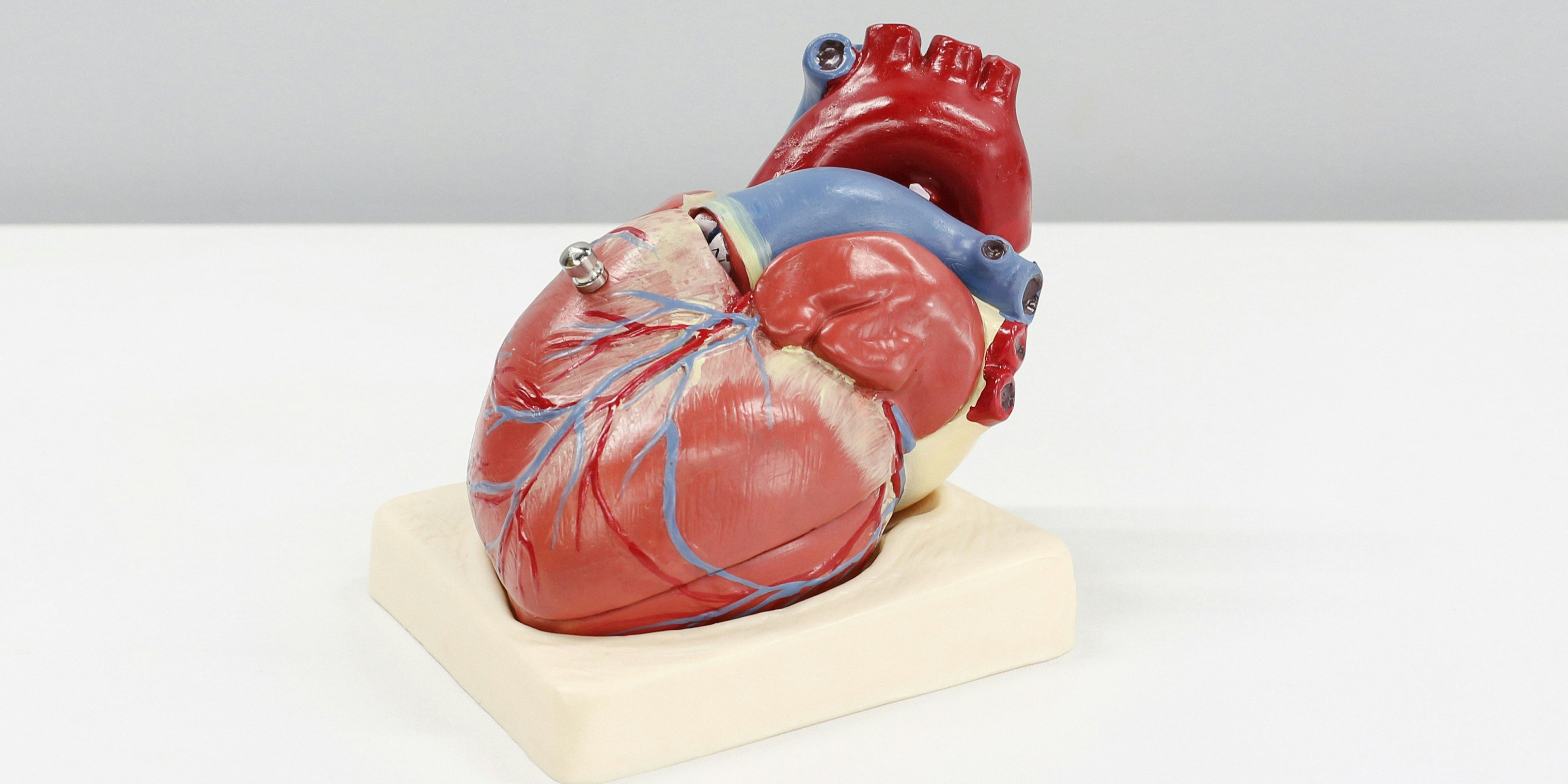
Photo by Ali Hajiluyi on Unsplash
The Ethical Dilemmas
Data Privacy
AI thrives on data, but healthcare data is deeply personal. Protecting it from breaches or misuse is critical. Without robust safeguards, patients may lose trust in AI-driven systems, stalling progress.
Algorithmic Bias
AI reflects the data it’s trained on. If that data is skewed—say, toward one demographic—it can perpetuate healthcare disparities. An AI trained primarily on data from white patients might fail others, raising questions of fairness and equity.
Accountability
When AI errs, who’s to blame? The developer? The doctor? The system itself? This gray area complicates adoption. Clear accountability frameworks are essential to ensure trust and safety.

Photo by Craig Cameron on Unsplash
Conclusion
AI’s potential in healthcare is immense, promising better outcomes and efficiency. But its success hinges on navigating ethical challenges with care. By prioritizing privacy, fairness, and accountability, we can harness AI to create a healthier, more equitable future. The journey has begun—let’s guide it wisely.


Really interesting read! I had no idea AI was already being used in robotic surgeries and mental health support. The part about ethical concerns gave me a lot to think about too. Great job breaking it down in a simple way.
Thank you for comment.
Working in healthcare, I see both the excitement and the hesitation around AI. This article captures that tension really well. The need for transparency and patient trust is so important. Loved this write-up!
Thank you for comment.
I keep wondering… if an AI misdiagnoses someone, who’s responsible? Articles like this help start the right conversations. Thanks for writing something that’s both informative and thought-provoking.
Thank you for comment.